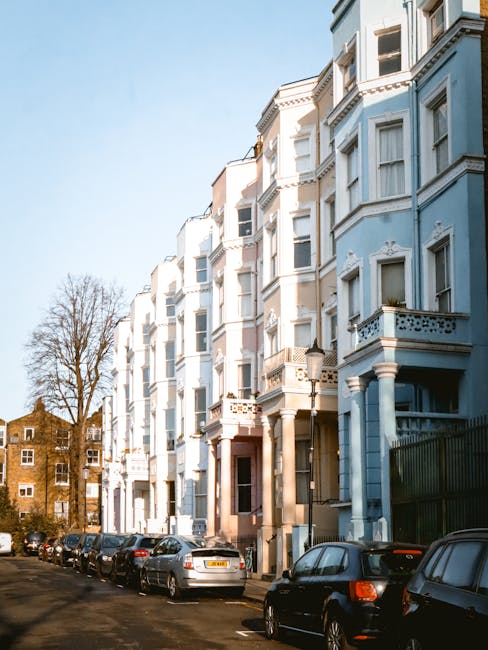
Bow Church Estate Moving Guide with Removals Parking Tips
Moving in or out of Bow Church Estate can feel straightforward on paper, and then suddenly the lift is busy, the road is narrower than you expected, and the van is half a minute too far from the door. That is exactly why a Bow Church estate moving guide with removals parking tips is useful. It helps you plan the awkward bits before moving day arrives, so you are not carrying boxes across a courtyard while someone waits in traffic with the tail lift down. Not ideal, really.
This guide walks through the practical side of an estate move: how parking usually affects the job, what to check before the van arrives, which mistakes waste time, and how to keep the whole thing calm enough to manage. If you are moving a flat, a family home, or a small office setup nearby, the same principles apply. A little planning goes a long way.
- Why this matters
- How estate moving and parking logistics work
- Key benefits and practical advantages
- Who this is for
- Step-by-step guidance
- Expert tips
- Common mistakes to avoid
- Tools, resources and recommendations
- Law, compliance, standards and best practice
- Options and comparison
- Real-world example
- Practical checklist
- Conclusion
- Frequently asked questions
Why Bow Church estate moving guide with removals parking tips Matters
Estate moves often go wrong in the small gaps between the plan and the reality. In a place like Bow Church Estate, the key challenge is rarely the packing itself. It is usually access. Where will the van stop? Can the driver safely unload without blocking someone's route? Is there enough room for trolleys, dollies, or a long carry from the street to the front door?
Those questions matter because parking and access affect time, cost, safety, and stress. If the vehicle ends up double-parking or circling for a bay, the move slows down immediately. If the team has to carry a sofa a long way, there is more strain on people and more chance of bumping walls, doors, or railings. You can hear the difference on moving day: less rushing, less shouting, fewer heavy thuds through the corridor.
There is also the neighbour factor. Estate living means shared spaces, shared entrances, and shared patience. A smooth move is not just about getting your things from A to B. It is about keeping the building working for everyone else while you do it. That is the kind of detail people often miss until the boxes are already stacked by the lift.
Expert summary: The best estate moves are won before the van arrives. Confirm access, protect parking space, shorten carry distance, and keep the route to the door clear. Simple, but powerful.
How Bow Church estate moving guide with removals parking tips Works
The process is really a coordination exercise. You are matching three things at once: the building layout, the vehicle size, and the timing of the move. If those three line up, the day feels much easier. If one of them is off, the whole operation gets wobbly.
In practical terms, a good estate move usually follows this pattern:
- Check access in advance. Look at entrances, gates, loading points, lift access, and any restrictions around stopping near the block.
- Choose the right vehicle. A smaller removal van can be easier for tight estate roads, while a larger truck may be better if there is room to load efficiently. Pages like removal van options and larger moving truck hire can help match the vehicle to the job.
- Plan the carry route. From van to lift to flat door, every metre matters. A short, clear route reduces handling time and risk.
- Reserve or secure parking where possible. Even if no formal bay booking is available, knowing exactly where the driver should pause is a huge advantage.
- Pack in unload order. Essentials first, fragile items separate, heavy items accessible. That way the team is not digging around for bedding while the kettle is somewhere under a lamp shade.
The actual move may be handled by a broader removals service, a flexible man and van arrangement, or a fuller home move team if you are shifting most of a property. The right option depends on volume, access, and how much lifting you want to do yourself.
One useful rule of thumb: on estates, parking is not a side issue. It is part of the service design. To be fair, it can be the difference between a tidy two-hour move and a long afternoon that seems to go on forever.
Key Benefits and Practical Advantages
Good parking and access planning pays you back in several ways. None of them sound dramatic, but together they make a proper difference.
- Less carrying distance: Shorter walks from van to door mean less fatigue and less risk of damage.
- Faster loading and unloading: If the vehicle is in the right place, the team can keep the job moving.
- Lower risk to items: Furniture is handled fewer times when the route is clear.
- Better building etiquette: Neighbours, management, and pedestrians are less inconvenienced.
- More predictable timing: The schedule becomes realistic rather than optimistic. That helps a lot.
- Less last-minute stress: You are not inventing a parking plan on the fly while half your living room is on the pavement.
There is also a financial angle. Even if you are not being billed by the minute, delays can still create knock-on costs. A move that drifts into parking problems can end up needing extra labour time, extra vehicle manoeuvring, or a second run. Better planning helps you avoid that mess.
If you are comparing service levels, look at whether the provider can support specialist access needs. For example, a flat move in an estate often pairs well with flat removals, while a larger household relocation may fit better with home moves or a broader house removals package.
Who This Is For and When It Makes Sense
This guide is for anyone moving in, out of, or around Bow Church Estate who needs a realistic parking and access plan. That includes people living in one-bedroom flats, larger family homes, shared accommodation, and tenants who are trying to make the handover day less chaotic. It also suits landlords and managing agents who want the move to happen without complaints from residents.
It makes particular sense if any of these apply:
- the estate roads or entrances feel tight for larger vans
- there is a lift, but it is shared or small
- you have bulky furniture such as wardrobes, sofas, mattresses, or white goods
- parking near the block is limited or heavily used
- you are moving at a busy time of day
- you need a same-day turnaround and cannot afford faff
Students and first-time renters often underestimate the parking side of things. It is an easy mistake. You think, "It's just a van, how hard can it be?" Then the van ends up at the wrong end of the estate and suddenly the whole day has a sweaty, slightly grim energy. If that sounds familiar, a student removals service can be a sensible fit.
Small businesses and home offices may also need this guide, especially if desks, printers, archive boxes, or equipment have to be moved without disrupting work. In that case, checking office removals or commercial moves is worth doing early.
Step-by-Step Guidance
Here is the part most readers want: what should you actually do, in order? The answer is less glamorous than a moving-day checklist video, but much more useful.
- Survey the access. Walk the route from your front door to the nearest place a van could stop. Note gates, kerbs, steps, narrow corners, and any places where a trolley would struggle.
- Measure larger furniture. Not every sofa is as easy to shift as it looks. A quick tape measure session saves real pain later. If you are moving anything awkward, furniture removals is often the smarter route.
- Decide where the vehicle will wait. Even without a formal bay reservation, you can identify the safest and shortest stopping point. Share that with the driver before moving day.
- Pack with the unload in mind. Keep essentials separate, label fragile boxes clearly, and place heavier boxes where they can be reached first.
- Protect common areas. If allowed, use door protectors, blankets, or floor coverings in high-contact spots. Lifts and corridors see a lot on move day.
- Keep one person in charge. A move runs better when one person makes decisions quickly. Otherwise everyone is asking everyone else. It becomes a little chorus of uncertainty.
- Confirm timing with the removals team. A quick call or message beforehand means everyone knows arrival time, access details, and the best contact person on site.
If you need packing support as well as transport, look at packing and boxes or packing and unpacking services. That can be a relief if the move date has crept up on you. Which it often does, somehow.
For people who want help with the vehicle itself, man with van and man with a van services can suit smaller or more flexible estate moves. For larger jobs, compare those against a full removal services option.
Expert Tips for Better Results
These are the small things that make a move feel more controlled. They are not fancy, but they work.
- Aim for the shortest legal stopping point. The less distance between van and entrance, the easier the job.
- Avoid peak traffic if you can. Early starts usually mean better access and fewer people around the block.
- Keep a parking fallback. If the ideal spot is occupied, have a second choice ready. No hesitation.
- Use labelled "first off" boxes. Kettle, charging cables, toiletries, toilet roll. The boring stuff you will miss instantly.
- Separate fragile items from long carry routes. Glass, mirrors, and screens do not appreciate a long wobble through a communal area.
- Ask about insurance and handling. For valuable or awkward items, it is sensible to review insurance and safety information before you book.
One more thing: if there is any doubt about fit or access, choose the slightly smaller vehicle rather than the too-big one. A van that can manoeuvre well is often better than a larger truck that looks impressive but gets stuck doing a three-point turn while the neighbours watch from the window. A bit embarrassing, that.
For heavier specialist items such as upright instruments, a dedicated option like piano removals may be the safer choice. Not every move needs it, of course, but if it does, don't improvise.
Common Mistakes to Avoid
Most moving-day problems are predictable. That is the annoying part. The good news is they are also avoidable.
- Assuming parking will sort itself out. It rarely does.
- Leaving access questions until the morning of the move. By then you are racing the clock.
- Booking a vehicle without checking turning space. Estate roads can be tighter than they look on a quick visit.
- Overfilling boxes. Heavy boxes slow the move and can damage contents or flooring.
- Not measuring furniture and doorways. The classic "it will probably fit" problem.
- Forgetting building etiquette. Shared spaces matter, especially in flats and estates.
- Failing to prepare for delays. A lift may be in use, traffic may be awkward, or a parking bay may be occupied.
There is also a fairly human mistake: trying to do too much yourself because it feels cheaper. Sometimes it is. Sometimes it just means you spend the whole afternoon exhausted, then order a takeaway because the plates are in a mystery box somewhere. If that sounds familiar, you are not alone.
Choosing a provider that can advise on practical moving support is often a better long-term decision than chasing the lowest headline price. You can check pricing and quotes to understand how the service is structured before you commit.
Tools, Resources and Recommendations
You do not need a huge kit to move well, but a few basic tools make estate moves much smoother.
| Tool / Resource | Why it helps | Best use |
|---|---|---|
| Measuring tape | Checks furniture, doors, hallways, and lift clearance | Before booking and before loading |
| Strong labels | Speeds up unloading and room placement | All box types |
| Furniture blankets | Helps protect corners and finishes | Sofas, tables, cabinets |
| Box cutter and tape | Useful for last-minute sealing or opening | Packing day and arrival day |
| Parking plan note | Gives the driver a clear stop point and backup option | Moving-day coordination |
In terms of services, think about what you actually need rather than what sounds impressive. If you only need one van and a couple of hands, removal van support may be enough. If you are moving a full household, compare that with house removalists or a broader home moves package.
If you are moving items into storage because the estate move timing does not line up perfectly, then storage can be useful. Truth be told, it is often the pressure-release valve that keeps a move from becoming a race against the clock.
And if you need to clear bulky extras before moving, you may also find furniture pick-up helpful for the unwanted pieces you are not taking with you.
Law, Compliance, Standards or Best Practice
For a Bow Church estate move, the most relevant compliance issues are usually practical rather than legal-sounding. You need to think about safe lifting, considerate access, parking restrictions, building rules, and basic property care. If you are renting, your tenancy agreement may also affect how and when the move is done. If you are unsure, check the paperwork first. It is dull, but useful.
Best practice in the removals industry generally includes:
- careful handling of items and shared building areas
- clear communication about access and vehicle positioning
- reasonable attention to safety when lifting, loading, and unloading
- respect for parking constraints and neighbouring residents
- transparent booking, payment, and service terms
That is why it is worth reviewing a provider's health and safety policy, as well as their terms and conditions and payment and security information. These pages help you understand how the move is expected to run and what is covered before work begins.
It is also sensible to understand how the company deals with disputes or issues, just in case. Nobody books a move expecting a problem, but having a clear complaints procedure in place is a reassuring sign. Small detail, big trust signal.
For anyone who prefers a provider with a clear company background, about us information can be useful too. And if sustainability matters to you, it is worth checking recycling and sustainability practices, especially if you are disposing of unwanted household items responsibly.
Options, Methods, or Comparison Table
Different move types suit different levels of support. Here is a simple comparison to help you decide what fits an estate move best.
| Option | Best for | Parking/access impact | Typical feel |
|---|---|---|---|
| Man and van | Small flats, few items, flexible timing | Usually easier in tight estates | Lean and practical |
| Removal van | Medium-sized moves with a manageable load | Good balance of size and manoeuvrability | Efficient |
| Full removals service | Larger homes or more complex loads | Needs stronger planning, but can reduce stress | More hands-on support |
| Storage plus move | When timing does not match up neatly | May reduce pressure on move day | Flexible, layered solution |
The right choice depends on your building layout and how much you are moving. For example, a one-bed estate flat with a lift and a few boxes may be fine with a man with van setup. A bigger household, or one with lots of furniture, may be better served by a fuller removals approach.
If your move is time-sensitive and you only have a narrow window to work with, a same day removals option can be worth asking about, provided access and parking can be lined up properly.
Case Study or Real-World Example
Here is a simple, realistic example. A couple moving out of a Bow Church estate flat had a sofa, a bed frame, three wardrobes, and a lot of boxed kitchen items. On paper it looked like a standard move. In practice, the estate parking was busy early in the morning, and the first bay they hoped to use was already occupied.
Instead of improvising, they had already agreed a backup stopping point the evening before. The van pulled in close enough for a short carry, the lift was kept free by good timing, and the heavier items were loaded first while the lighter boxes followed. Nothing dramatic. Just good organisation.
What made the difference?
- they measured the bigger furniture before moving day
- they kept the corridor clear
- they had a clear parking fallback
- they packed essentials separately
- they chose a vehicle size that could turn and stop without drama
The move still took effort, of course. Moves always do. But it felt controlled rather than messy, which is what most people really want. The best part? They were making tea in the new place before lunchtime. That tiny first cuppa in a half-empty flat always feels like a little victory.
Practical Checklist
Use this checklist the day before and the morning of your move.
- Confirm the arrival time with the removals team
- Share the best stopping point for the van
- Check for any parking restrictions or busy periods
- Reserve a lift if your building allows it
- Measure any items that might be awkward to carry
- Pack a first-night box with essentials
- Keep important documents and valuables with you
- Protect floors, corners, and shared access areas where appropriate
- Make sure boxes are labelled by room
- Keep a phone charged for the driver and building contact
Quick reminder: if the move involves a lot of furniture, it is usually better to plan for a slightly longer loading window than to assume everything will fly through the door. It won't. Not usually.
Get a free quote today and see how much you can save.
Conclusion
A successful Bow Church estate move is not about luck. It is about planning access, sorting parking sensibly, and choosing the right level of removals support for the size of the job. Once you understand the parking picture, the rest of the move becomes much easier to manage. Shorter carries, fewer delays, less stress. Simple as that.
If you remember only one thing from this guide, let it be this: parking is part of the move, not an afterthought. Get that right and everything else tends to behave better, from the first box to the final doorstep check. And honestly, that makes a long day feel a lot more human.
Frequently Asked Questions
How do I plan parking for a Bow Church estate move?
Start by identifying the closest safe stopping point for the van, then work backwards from your flat or house door. Check whether the route is wide enough for carrying boxes and furniture, and make sure the driver knows the plan before arriving. A backup stopping point is wise too.
What is the best vehicle for an estate move?
It depends on how much you are moving and how tight the access is. A smaller van is often easier for narrow estate roads, while a larger vehicle may be more efficient for bigger loads if there is room to park safely. The best choice is the one that fits the site, not just the one with the biggest load space.
Do I need a removals service for a small flat move?
Not always, but a smaller-scale option can still save time and hassle. If you only have a few items, a flexible van-based service may be enough. If you have furniture, fragile items, or limited access, a more structured removals service is usually worth considering.
How far in advance should I sort parking details?
As early as possible. Even a quick confirmation the day before can prevent a lot of confusion. On busy estate roads, parking can change quickly, so having a fallback plan is smart. Leaving it until the morning is asking for trouble, to be fair.
What should I do if the lift is shared or busy?
Let the removals team know in advance and try to choose a quieter time if you can. Label boxes clearly, keep access routes clear, and avoid blocking the lift for longer than necessary. If the move involves lots of items, consider whether extra help or a different schedule would reduce pressure.
Are there special tips for moving heavy furniture on an estate?
Yes. Measure the item, measure the doorway, and make sure the carry route is clear before anything is lifted. Use blankets or covers for protection, and do not force awkward items through tight gaps. If in doubt, specialist furniture removals support is safer and usually less stressful.
Can I combine packing help with my move?
Absolutely. Many people do, especially when the move date is close or life has been busy. Packing support can make the whole process calmer because the load is better organised before the vehicle arrives. It is one of those services you appreciate most when you are short on time.
What if I need to store items between moves?
Storage can bridge the gap when completion dates, tenancy dates, or access windows do not line up neatly. It can be especially useful for estate moves where timing is tight and you do not want to rush everything on the same day.
Is same-day removals realistic for an estate move?
Sometimes, yes. It depends on how much you are moving, whether access is clear, and whether parking can be arranged sensibly. Same-day work is more realistic when the load is small to medium and the route is already well understood.
What should I ask a removals company before booking?
Ask about vehicle size, access needs, parking expectations, handling of fragile items, insurance and safety, and what happens if the building access changes on the day. It also helps to ask for clear pricing and terms so there are no awkward surprises later.
How do I keep neighbours happy during the move?
Keep shared corridors clear, avoid unnecessary noise, and do not block entrances for longer than needed. Let them know if there will be lifting or loading outside the building, and try to keep the move within a reasonable window. A little courtesy goes a long way in estate living.
What is the quickest way to make moving day less stressful?
Prepare the route, label the boxes, and make sure the van has a clear stopping point. That alone removes a huge amount of friction. Once the parking and access are sorted, the day feels much more manageable. Not easy, exactly - but manageable, which counts for a lot.